Doing more with less: Can public sector resources, budgets and capacity keep pace with rising demands?

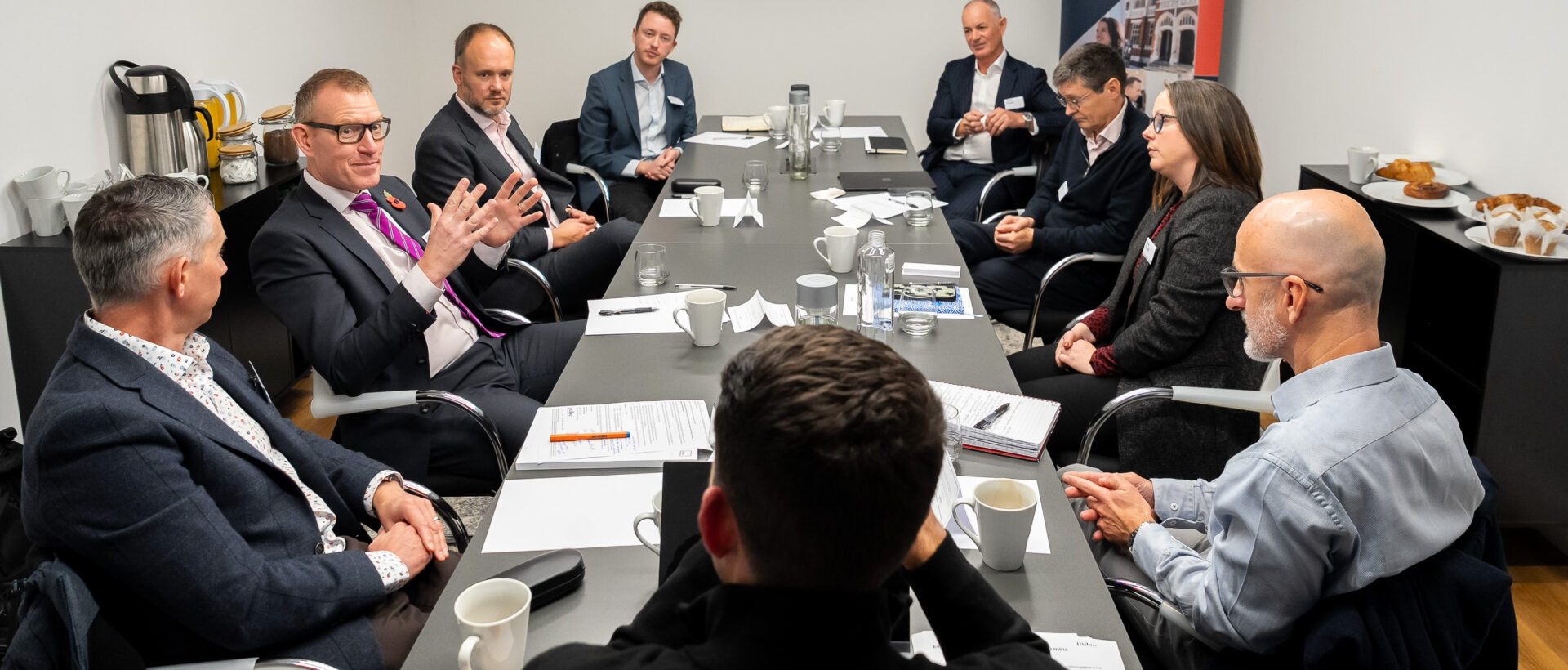
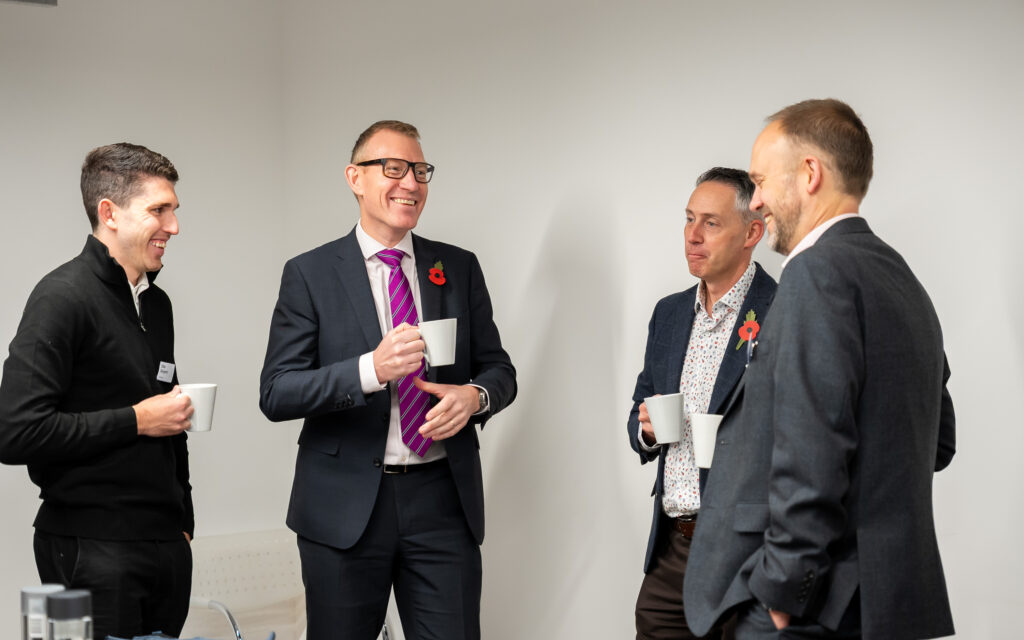
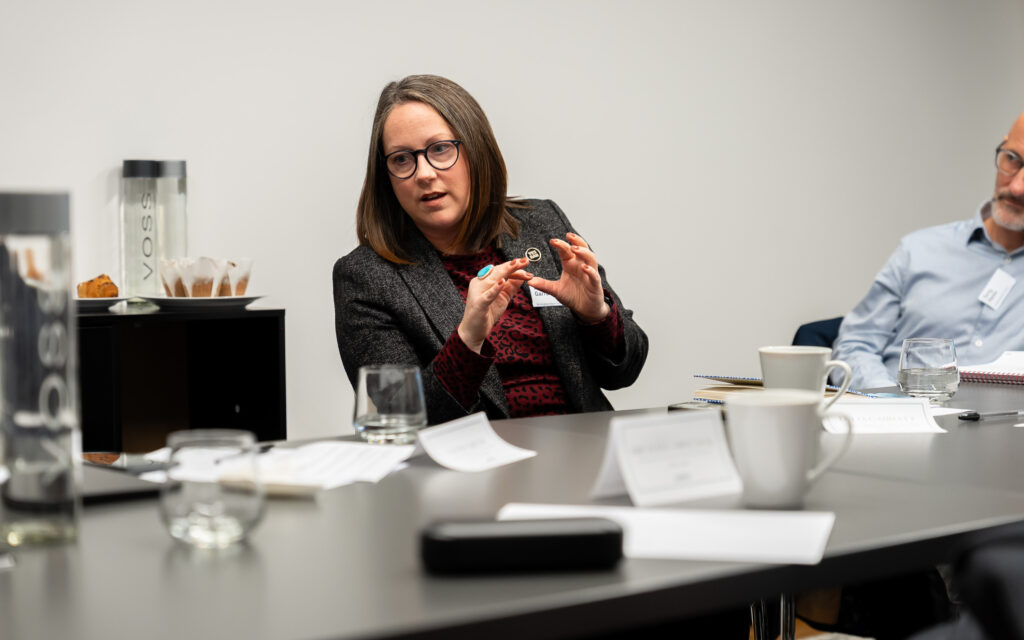
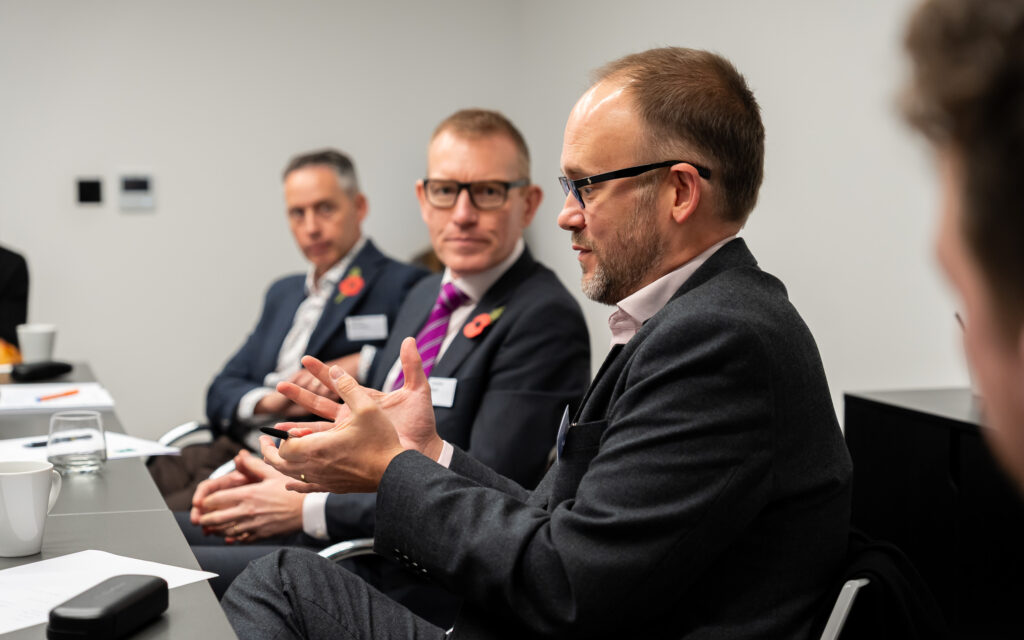
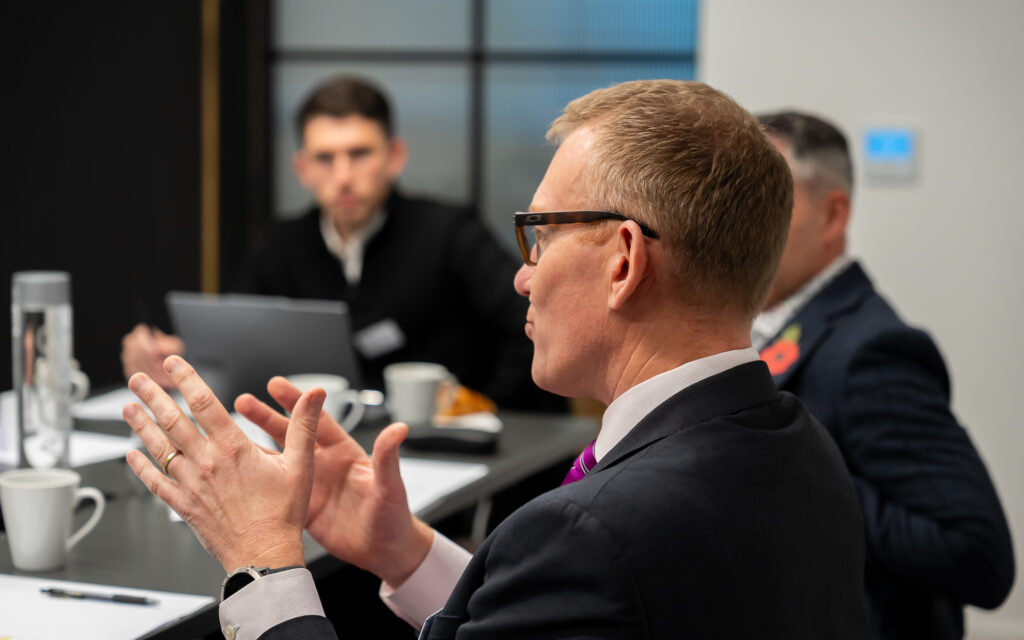
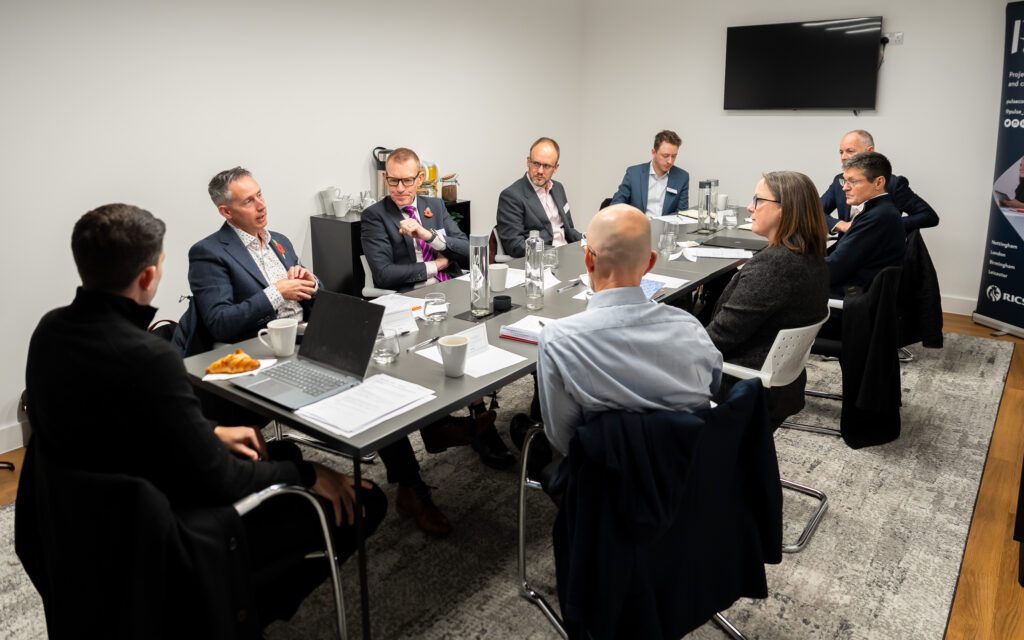
How can the public sector respond to growing demands with limited resources? That question brought senior leaders from across the public and private sectors together at our Birmingham office for our latest roundtable discussion.
The discussion explored the growing pressures on public sector organisations and those working alongside them. Participants brought perspectives from local government, planning, architecture, infrastructure, construction, legal and environmental sectors. Topics ranged from increasing legislative requirements and procurement processes to technology and delivery within increasingly constrained budgets. Two messages stood out:
Getting the brief right from the outset.
What is the project trying to achieve, which priorities matter most and what outcomes are required? Agreeing these points at the outset creates a clear, well-defined brief and a foundation for successful delivery. It can help avoid unnecessary complexity, changing requirements and costly variations later. With finite budgets, it also helps direct resources towards what matters most.
Thinking beyond the initial build cost.
Value for money means considering whole-life cost, not just the initial construction cost, but what a building or asset will cost to operate, maintain and manage throughout its lifespan. Decisions made at the outset can shape future maintenance budgets, building performance and the overall value delivered. The question is therefore not simply what it costs to build, but what it will cost over its life.
Other areas of discussion included:
- ESG and social value: The discussion considered how evolving environmental, social and governance (ESG) legislation and requirements affect project delivery. It also explored the importance of skills, training, employment opportunities and the wider social benefits projects can deliver
- Procurement and process: Whether increasingly complex procurement processes are slowing delivery, creating unnecessary administration and making it harder to achieve the outcomes projects set out to deliver
- AI and technology: How emerging technologies are being used across the industry, the opportunities they present to improve efficiency, speed and accuracy, and the questions surrounding implementation costs and the reliability of their outputs
- Collaboration: The importance of bringing clients, consultants and other project stakeholders together, sharing expertise and working collectively to make the best use of available resources
Ultimately, doing more with less isn't simply about stretching budgets and resources further. It's about making better-informed decisions, being clearer about what we want to achieve and recognising that the true value of a project extends well beyond the day it is completed.
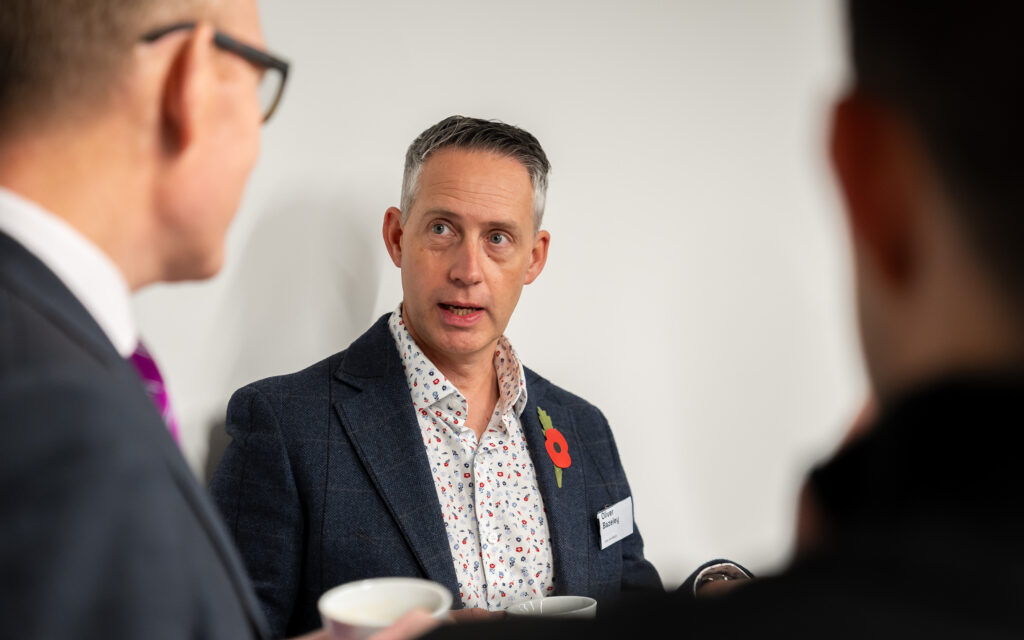
We extend a big thank you to everyone who joined us and contributed so openly to what was a really valuable discussion:
Tony Perks – Stratford District Council
John Powell – Frankham Group
Jordan Rhoda – Procure Partnerships Framework
Oliver Bazeley – pHp Architects
David Green – Delta Planning
Michael Hiscock – HCR Law
Delia Garratt – Birmingham Black Country Wildlife Trust
Host: Graham Black – Pulse Consult
Session mediator: Oliver Sargent - Cartwright
It's encouraging to bring together people facing similar challenges from different perspectives, share experiences and recognise where working together can make a difference.