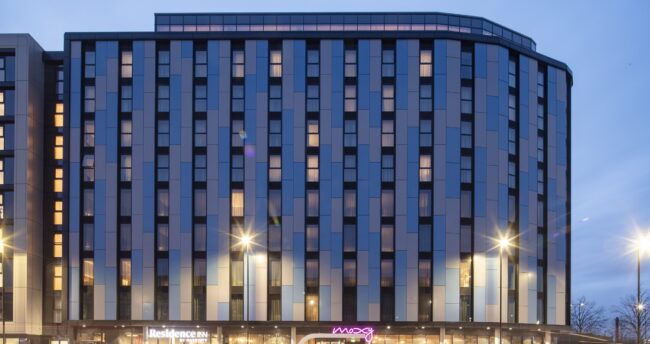
Hotel Development Trends 2026: Branded Residences, Wellness and Experience-Led Design

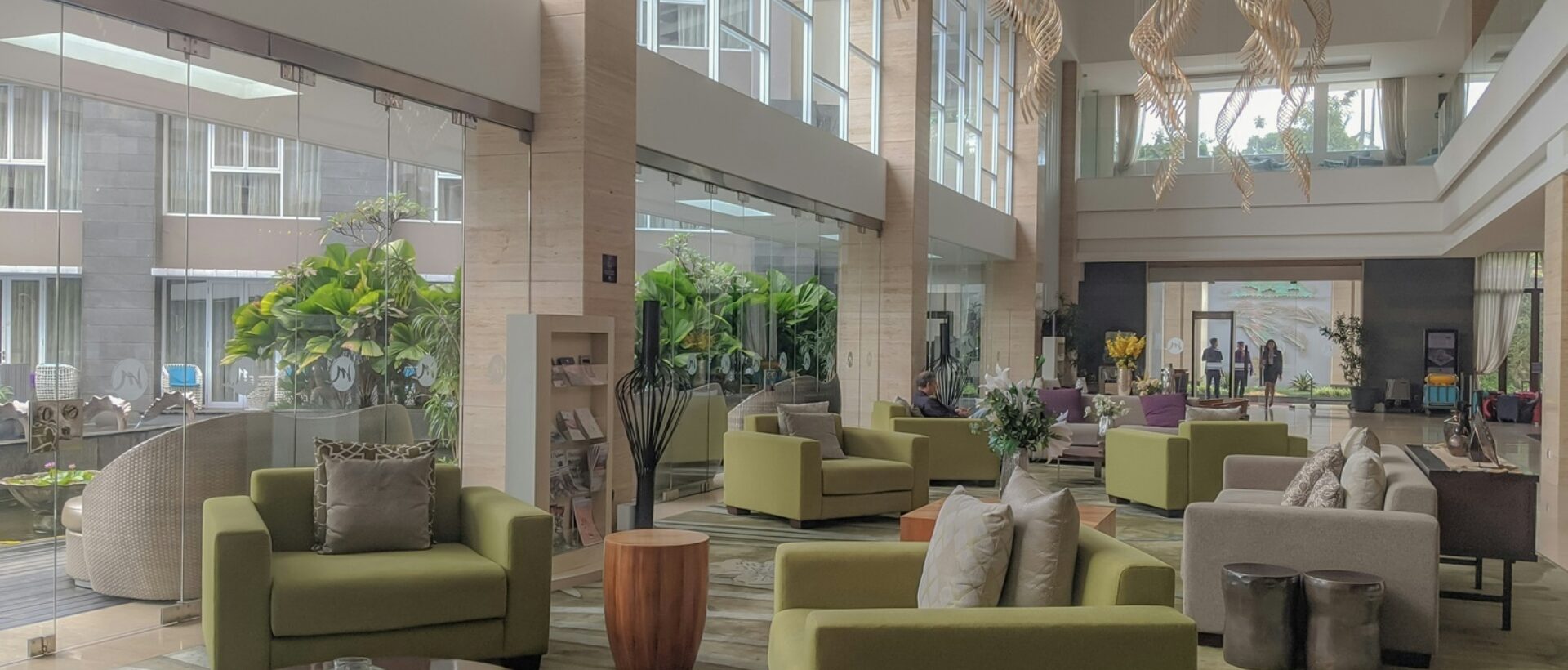
Hotel Development Trends 2026: Branded Residences, Wellness and Experience-Led Design
The hotel sector continues to evolve rapidly across investment strategy, design and guest experience. Several of the most persistent themes discussed this year across industry forums such as the IHIF (International Hospitality Investment Forum) are now clearly embedded in live development activity rather than emerging concepts.
For developers, architects and hotel brands, the direction of travel is becoming more defined. The challenge is no longer identifying trends, but understanding how they translate into viable, context specific delivery.
At Pulse Consult, the focus is on interpreting these shifts and translating them into practical insight that supports better decision making from concept through to delivery.
There’s a premium shift toward experience-led hospitality
While economy and midscale models still centre on room-count efficiency, experience-led hospitality remains central and is increasingly shaping expectations across the upscale and luxury markets, rather than ‘becoming’ a baseline in itself. In these segments, hospitality is no longer defined by accommodation alone; experience is the core product rather than an added layer.
Hotels are increasingly being developed as integrated lifestyle environments, combining:
- Wellness and longevity programming that transcends the traditional spa
- Destination-led F&B concepts designed to attract the local community
- Cultural guest experiences that are authentically and locally grounded
- Activation of spaces that extend beyond traditional hotel boundaries
This reflects a deeper shift in guest psychology. Travelers are no longer asking where they are staying, but what the stay enables. Consequently, loyalty behaviour is evolving; younger travellers are less motivated by long-term point accumulation and more by immediate, tangible value, specifically through experiential and on-property benefits.
Data and AI are shaping design decisions, not just operations
The role of data in hospitality has moved beyond operational efficiency into design influence.
Operators are increasingly focused on behavioural insight, including:
- How guests move through and use spaces
- Which amenities drive engagement or remain underused
- Where friction exists across the guest journey
- What drives repeat visitation and satisfaction
Artificial intelligence is increasingly being used to interpret these patterns and refine both operational models and spatial design decisions.
The direction is clear, but so is the boundary. Technology is enhancing hospitality, not replacing it. The most effective operators are those using data to support service delivery and spatial performance, not to remove human interaction.
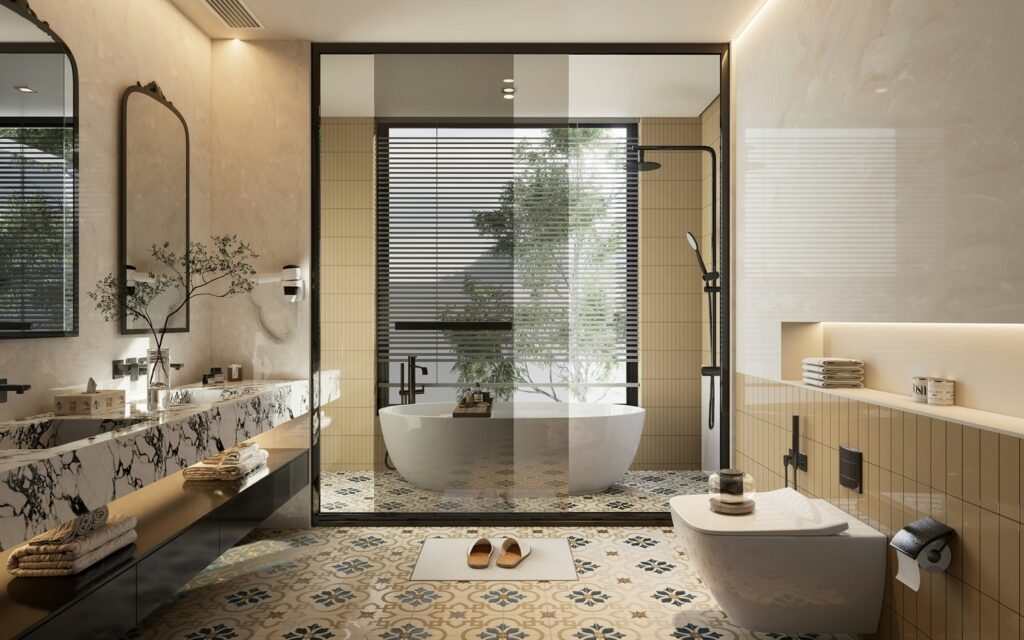
Wellness is becoming a design framework, not a facility
Wellness is no longer confined to gyms or spa facilities. It is being embedded into the design logic of hospitality environments.
This is evident in:
- Increased integration of biophilic and nature-led design principles
- Greater emphasis on restorative and reflective environments
- Expansion of active leisure programming within resorts and destinations
- Broader consideration of mental wellbeing alongside physical health
The shift is structural. Wellness is no longer an amenity category. It is becoming a guiding principle in how hospitality space is conceived and experienced.
Demand is redistributing, not contracting
Despite geopolitical uncertainty and regional disruption, global travel demand remains resilient. The more significant shift is not volume, but geography.
Capital and leisure spend is increasingly concentrating in markets perceived as stable, including London and other established European cities, while certain destinations experience short term volatility.
This reinforces a consistent theme in development strategy. Resilience and flexibility are becoming as important as positioning.
Branded residences are becoming more selective, not more widespread
Branded residences continue to attract attention across global hospitality investment, with operators such as Hilton and other international brands extending residential-led models that combine private ownership with hotel-style management.
The proposition remains strong in principle. It offers lifestyle ownership combined with service standards typically associated with hospitality, often positioned as an investment asset with rental potential.
However, adoption is becoming more selective rather than more expansive.
Performance is highly location dependent and increasingly constrained in markets where cost structures do not align with expectations. In the UK, elevated service charges compared with standard residential models continue to limit viability.
The strongest traction is being seen in markets where:
- International buyers are seeking professionally managed, turnkey ownership models
- There is a premium placed on operational oversight, consistency of service and long-term asset management
- Buyers are less familiar with local ownership processes and value the reassurance of a recognised global brand
In these contexts, the premium associated with branded residences is not simply about specification. It reflects the added layer of management, service and operational confidence that the brand provides.
Branded residences are therefore not scaling as a default typology. They are becoming a targeted product aligned to specific buyer profiles and market conditions.
The direction of travel
Taken together, these shifts point towards a hospitality sector that is:
- More experience led
- More data informed
- More wellness integrated
- More selective in investment typologies
- More complex in cross-border delivery
The opportunity for developers, operators, architects and designers is not simply to respond to these changes, but to interpret how they interact within specific market contexts.
At Pulse Consult, the focus remains on translating these sector signals into practical guidance that supports clearer decision making from concept through to delivery.
If you would require dedicated consultancy on your next hotel or hospitality project, contact us today.